
Can a Private Parking Company Take You to Court?
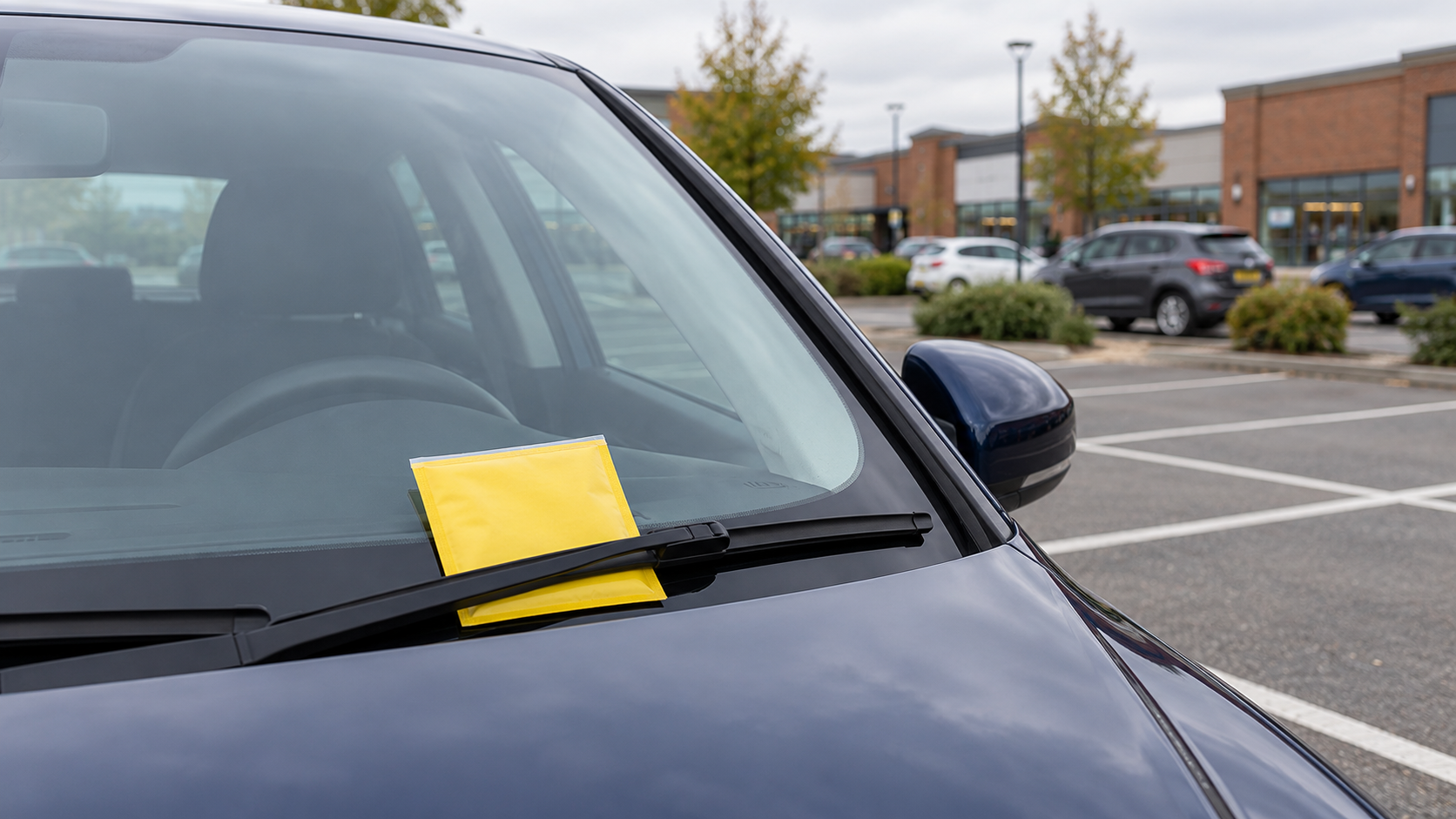
Yes. A private parking company can take you to the county court to recover an unpaid parking charge, but court action isn't automatic and operators don't always follow through. The charge is a civil debt rather than a fine, so the company has to win a claim before it can enforce anything. Whether it can pursue you depends on who was driving and how closely the company followed the Protection of Freedoms Act 2012.
Advice on this ranges from just ignore it to pay straight away, and neither suits everyone. This guide explains when a claim is possible, who can be pursued, how the process runs, what defences exist and what to do if a claim form arrives. It covers England and Wales. Private parking rules differ in Scotland and Northern Ireland.
⚖️ When Can a Private Parking Company Take You to Court?
They can issue a county court claim once a Parking Charge Notice has gone unpaid and any appeal has failed or been ignored. The claim is civil, based on contract or trespass, so a judge decides whether you owe the money. The company must show the charge was properly brought to your attention on the signs and that it can pursue you personally, as driver or as keeper.
A private parking charge isn't a fine. When you park on private land you enter a contract on the terms shown on the signs, or in some cases the operator relies on trespass. The Parking Charge Notice is the operator's demand under that arrangement, and it isn't a criminal matter.
The leading case is ParkingEye v Beavis, decided by the Supreme Court in 2015. Mr Beavis overstayed a 2 hour free limit at a retail park by nearly an hour and was charged £85. The court held that the charge was enforceable, because the signs were prominent and the operator had a legitimate interest in managing the car park. That doesn't mean every charge will stand. Each claim still turns on its own facts, including the signs, the notices and the amount claimed.
📊 How Likely Is It That a Parking Company Will Actually Sue?
There are no reliable public figures on how many tickets end up in court, so treat anyone quoting a precise percentage with caution. What you can say is that the risk rises as you move through the process. A claim is more realistic once the operator has your address, holds solid evidence and has sent a formal letter of claim that you've ignored.
Some operators decide a small claim isn't worth the cost and stick to reminders and debt recovery letters. That is a commercial choice, not a legal protection, and you can't count on it. The safer approach is to decide early whether you have grounds to challenge the charge, then act on that decision.
🚗 Can the Registered Keeper Be Taken to Court?
Yes, but only if the operator has met the conditions in the Protection of Freedoms Act 2012. It has to be unable to identify the driver, give you a compliant notice to keeper within strict time limits and have obtained your details from DVLA. If it hasn't, it generally has to prove who was driving.
Those conditions sit in Schedule 4 to the Protection of Freedoms Act 2012, which applies in England and Wales only. It covers relevant land, which excludes public highways, parking places run by a traffic authority such as a council, and land where parking is already subject to statutory control.
The timing depends on how the operator first contacted the driver.
| How the operator contacted the driver | When the notice to keeper must be delivered | Earliest it can pursue you as keeper |
|---|---|---|
| Ticket on the windscreen or handed to the driver | In the 28 days that follow the first 28 days after the ticket, so roughly day 29 to day 56 | 28 days after the notice to keeper was given |
| No ticket, for example camera enforcement | Within 14 days beginning the day after the parking ended | 28 days after the notice to keeper was given |
A notice sent by post is presumed delivered on the second working day after posting. The notice must also carry specific information, including the unpaid amount, any discount for prompt payment, how to dispute the charge and a warning about keeper liability. The operator must also have applied to DVLA for your details within the relevant period.
Say a camera operator posts you a notice that reaches you on day 20 after you parked at a retail park. The window for a notice sent without a ticket is 14 days from the end of the parking. That gap could mean the operator can't rely on the Act against you as keeper, although it may still pursue whoever was driving.
2 points catch people out. The most you can owe as keeper is the amount specified in the notice, less any payments, so check whether later demands are higher. And the notice invites you to name the driver, but the Schedule frames that as an invitation rather than a duty. Don't give false information, and get advice before you decide how to respond.
If the car was hired, the hire firm can pass liability to the hirer by giving the operator the required documents within 28 days of the notice to keeper. The operator can then pursue the hirer instead.
Most cases follow the same path, and each stage gives you a chance to resolve the charge before it reaches a judge.
| Stage | What happens | What you can do |
|---|---|---|
| Parking Charge Notice | A ticket on the car or a letter, usually with a discount for prompt payment | Check the signs, the operator and whether you were the driver |
| Appeal to the operator | The operator reviews your reasons | Appeal with evidence such as photos of the signs |
| POPLA or IAS | A free independent appeal after the operator rejects yours | Use the service that matches the operator's trade body |
| Reminders and debt recovery letters | Extra fees may be added | Compare the amount with the original notice and challenge add-ons |
| Letter of claim | Should come with a reply form | Reply using the form within the deadline |
| County court claim | Court papers arrive with a deadline | Respond by the date on the papers |
You must appeal to the operator first. If it rejects your appeal and it belongs to the British Parking Association, you can take the case to POPLA. If it belongs to the International Parking Community, the route is the Independent Appeals Service. Both are free, and both say their decision can't be reviewed later, so put all your evidence in at the start.
There are practical differences. POPLA says the operator must not pursue you while your appeal is with it, and that if the appeal fails and you don't pay within 28 days, the operator may add charges or refer the case to debt collection. The IAS warns that once you appeal to it, you're no longer eligible for a discounted rate if the appeal isn't found in your favour.
The industry code allows an operator to add up to £70 when a charge becomes overdue. The government is consulting on whether to keep, cap or ban that debt recovery fee, which tells you how contested it is. If you're the keeper, remember that the amount you can be asked to pay is limited to the sum stated in the notice to keeper.
Before issuing a claim, the operator or its solicitors should send a letter of claim with a reply form. Under the Pre-Action Protocol for Debt Claims, which applies to businesses claiming a debt from an individual, they shouldn't start court proceedings less than 30 days after the date of the letter, or 30 days after they receive your completed reply form. This is the stage to respond properly, not to ignore.
🛡️ What Defences Do You Have If a Parking Company Takes You to Court?
Common defences include unclear or missing signs, a notice that missed a legal requirement, a claimant with no authority from the landowner, keeper liability that hasn't been established and the claimant being unable to show who was driving. Beavis shows courts will uphold clear terms, so test each point against the facts of your own case.
Signs Were Missing, Unclear Or Hidden
The Notice To Keeper Missed A Requirement Or A Deadline
The Company Cannot Show Authority From The Landowner
The Land Is Not Relevant Land Under The Act
The Claimant Cannot Prove Who Was Driving
The authority point matters because the Act defines a relevant contract as one made with the owner or occupier of the land, or with someone authorised under arrangements made by them. An operator suing in its own name should be able to show that authority.
Signage matters too. For a charge in the nature of damages, the Act requires adequate notice, meaning notices that specify the sum and are adequate to bring the charge to drivers' attention. Photos of the signs on the day, and of where they stood in relation to the bay, are often the best evidence you can have.
Mitigating circumstances such as a breakdown or a medical emergency can persuade an operator or an appeals service. A court tends to focus on the contract, the notices and the evidence, so don't rely on sympathy alone. Arguing only that the charge is too high rarely succeeds, which is the lesson of Beavis.
⚖️ What Happens If You Get a County Court Claim?
Don't ignore it. You must respond by the date on the claim, and you can pay, offer to pay a different amount or defend. If you do nothing, the court can enter a county court judgment against you without hearing your side.
GOV.UK explains how to respond to a court claim for money. You should respond in the same way the claim was made, so respond online if the claim was made online. If you aren't paying the full amount you can ask for another 14 days to respond. Defending a parking claim usually means setting out the points above in your defence and backing them with evidence.
Say a claim form arrives for a £100 charge plus added fees, addressed to you as the keeper, and you never saw a ticket. You would check the notice to keeper dates, the signs and the amount, then defend if the company can't show it met the Act or can't show who was driving. Doing nothing hands the company a judgment without it proving any of that.
A judgment means the court has formally decided that you owe the money. GOV.UK says records of judgments are kept for 6 years unless you pay the full amount within a month, and that this can make it hard to get credit. You can apply to have a judgment cancelled if you don't owe the money or you didn't receive, or didn't respond to, the original claim.
A parking company can't send enforcement agents over an unpaid ticket alone. It needs a court judgment first. If enforcement does start, our guide to what you must not do when bailiffs are at your door explains how to protect yourself.
🔄 What Is Changing With Private Parking Rules?
A statutory Private Parking Code of Practice is still expected but, at the time of writing, has no start date. Meanwhile an industry single code, drawn up by the 2 main trade bodies, has applied since 1 October 2024, with operators given until December 2026 to comply. Some websites quote a £50 cap, but that figure comes from a government code that was withdrawn in 2022.
The Parking (Code of Practice) Act 2019 requires the government to issue a statutory code. The House of Commons Library explains that a first code was published in February 2022 and withdrawn in June 2022 after legal challenges from some parking companies. The government consulted again in 2025 and said it would respond in due course, and no date is known for the code coming into force. When it does, the Act lets the government remove an operator's access to DVLA keeper data if it fails to meet the code, which would make unpaid charges much harder to enforce.
Until then, the rules that matter in court are the Protection of Freedoms Act 2012, contract law and the case law, while POPLA assessors also apply the British Parking Association's code of practice. Check the current position before you rely on any figure, because this area is moving.
❓ Private Parking Court Claim FAQs
-
Yes. Ignoring a ticket doesn't stop a claim, and it removes your chance to resolve the charge cheaply through an appeal. The company still has to prove its case, and a keeper claim must follow the Protection of Freedoms Act 2012. A formal letter of claim is the clearest sign that court action is next.
-
Not by itself. A county court judgment would, and GOV.UK says records of judgments are kept for 6 years unless you pay in full within a month. That is why responding to court papers matters more than the ticket itself.
-
Not for the ticket alone. It needs a court judgment first, and only then can enforcement follow. Anyone who says bailiffs are coming over an unpaid private parking charge, with no judgment, is overstating the position. Ask for the court order details in writing.
-
Usually 6 years from when the claim arose, because contract claims are subject to a 6 year limit under the Limitation Act 1980. Keeper claims also depend on the strict notice timings described above, which can end the company's right to pursue you as keeper much sooner.
-
The notice to keeper invites you to name the driver, but Schedule 4 frames that as an invitation rather than a legal duty. Don't give false information. If you were the driver and the company can prove it, it can pursue you as driver, so get advice before you reply.
-
No. Schedule 4 to the Protection of Freedoms Act 2012 applies in England and Wales only, and private parking rules differ elsewhere. This guide doesn't cover Scotland or Northern Ireland, so check advice that applies where the car was parked.
Need Help With a Parking Charge Notice?
If you've received a Parking Charge Notice, a debt recovery letter or a letter of claim, check the dates and the notices before you reply. Raven Legal provides self-help legal documents and fixed-fee paralegal support in England and Wales, including help with private parking appeals under the Act, POPLA and the IAS. Our tailored letter drafting service can prepare an appeal or reply that fits your situation, and our advice consultation lets you talk through your options. It doesn't include court representation, and if you need a solicitor or barrister we'll say so.
If a debt recovery firm writes about a charge you don't recognise, a prove it letter asks it to show evidence. You can also browse the Letter Factory for other letters.
You can contact Raven Legal or call the freephone number on 0800 949 9401. Raven Legal is a paralegal service for England and Wales, not a regulated law firm or solicitors, and this guide is general information rather than legal advice.
